9 Warning Signs Your Building Needs Commercial Roofing Services
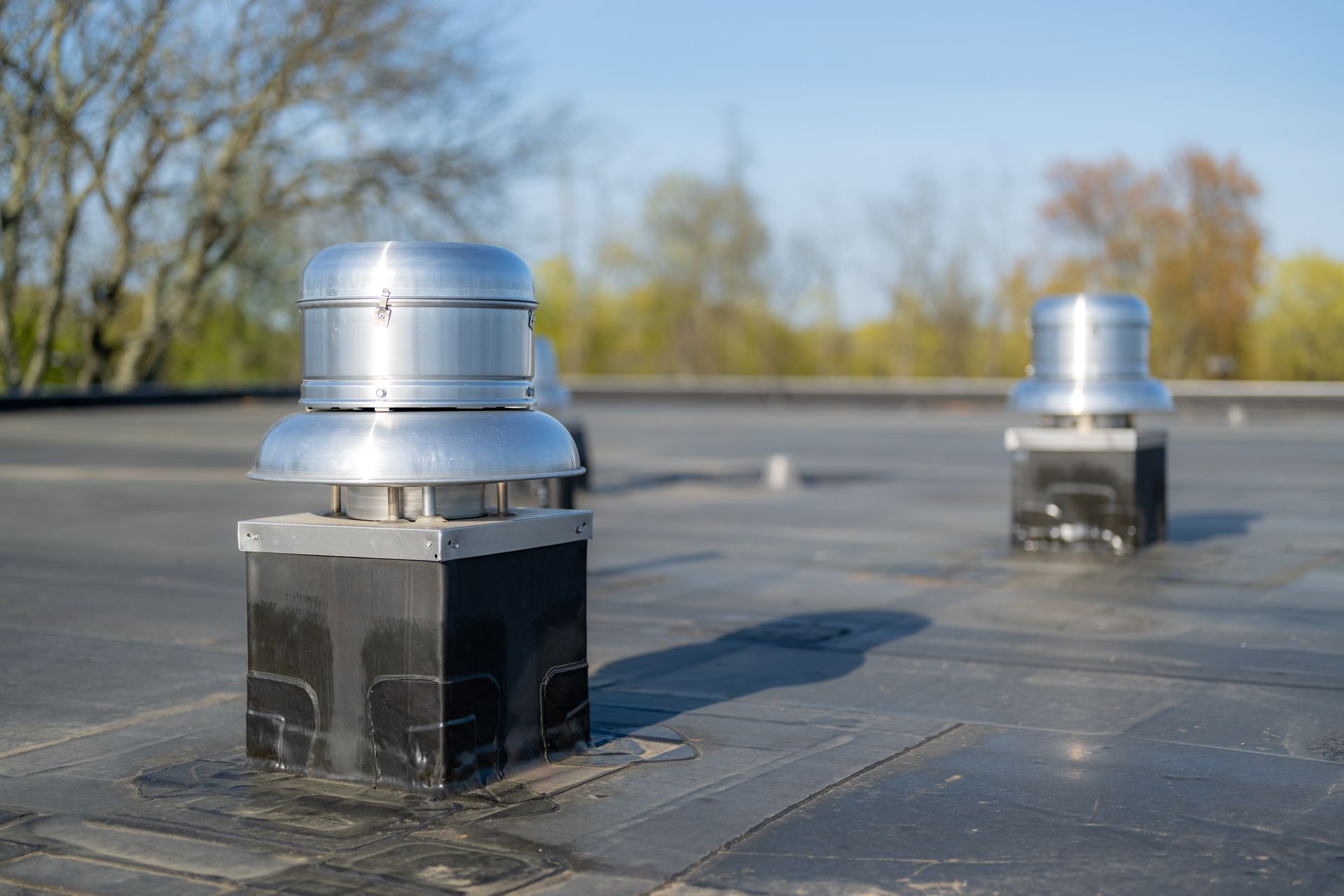
Is your building trying to tell you something? If you’re a property owner or manager in Columbus, it’s important to notice problems early so you can protect your investment. There are clear signs your facility may require commercial roofing in Columbus, OH. Ignoring these warning signals can lead to costly repairs, business interruptions, and even safety risks. With help from Allied Roofing, you can spot dangers on your shingles, EPDM (rubber), or TPO roof and address issues before they get out of hand.
1. Persistent Roof Leaks
One of the most obvious problems is water getting into your space. Even small leaks should not be ignored. Water can damage ceilings, walls, insulation, and equipment. Shingle roofs sometimes leak when shingles crack or shift. On EPDM or TPO roofs, leaks may occur at seams or where the material has worn thin. These leaks tend to get worse over time, and what starts as a small drip can become a big, expensive headache. If you hear dripping or see water spots inside, act fast.
2. Ponding Water on Flat Roofs
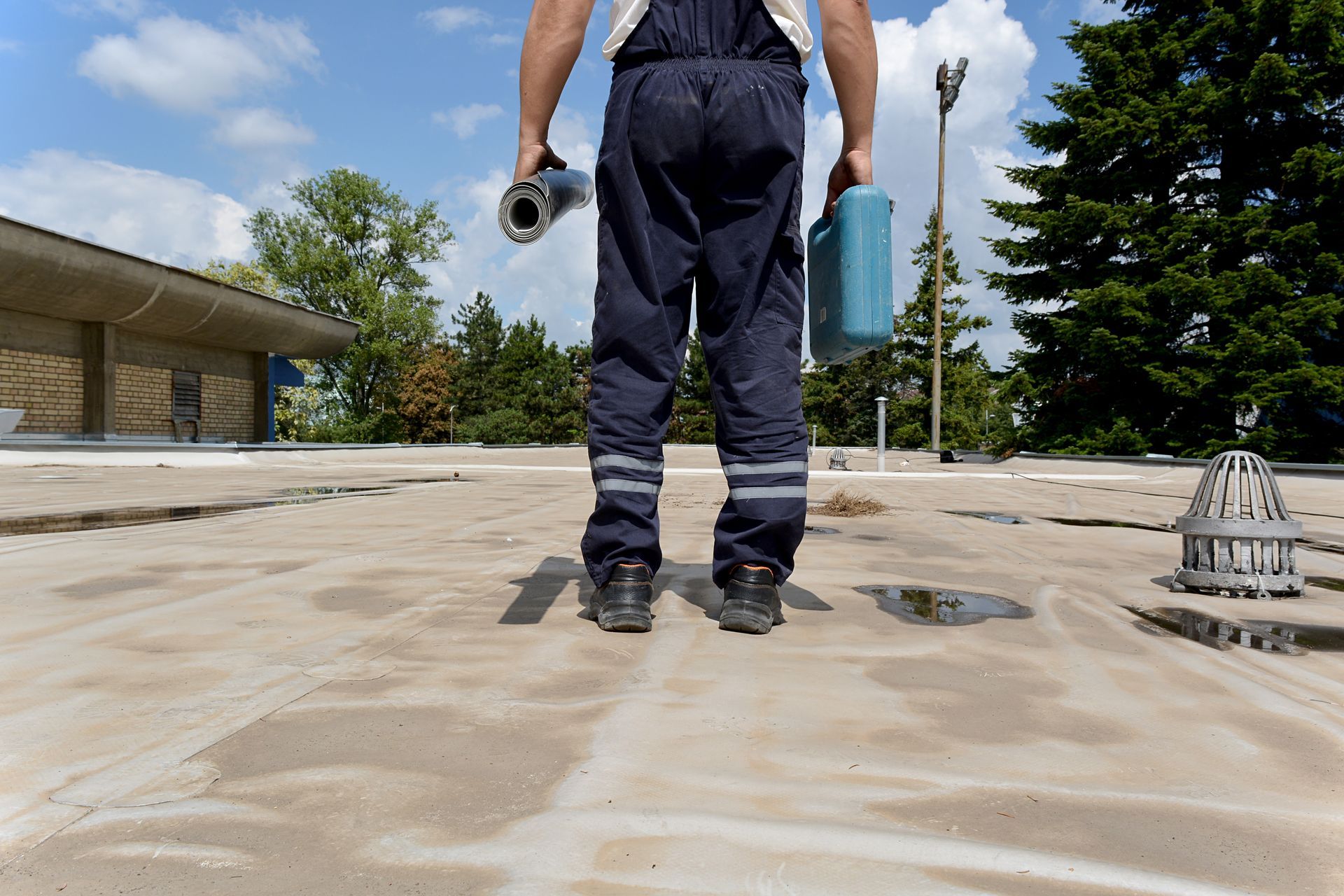
Do you notice water puddling and staying on your flat roof after a rain? Both EPDM (rubber) and TPO roofs are common on flat or low-sloped buildings. These roofs should drain within a day after rainfall. If you see standing water that doesn’t go away, there may be a problem with drainage, roof slope, or the membrane itself. Ponding water puts pressure on these materials and can stretch, tear, or weaken the surface. Over time, these weak areas can turn into leaks, rot, or mold growth under your roof.
3. Cracked, Blistering, or Split Roofing Materials
Walk around your property and look closely at the rooftop. On shingles, watch for curling, broken, or missing pieces. For EPDM or TPO roofs, check for signs of bubbling, cracking, loosening seams, or areas where the material is peeling away from the surface. Blisters and cracks let water in and can break the system’s weatherproof seal. Sometimes, just walking on the roof can make these problems worse if the membrane is fragile and aging. If the surface looks uneven or damaged, it’s time for an inspection.
4. Increased Energy Bills
Have you noticed that energy costs are creeping up without a good explanation? A worn-out roof can lose its ability to seal your building. If insulation beneath your shingles, EPDM, or TPO is wet or compressed, heating and cooling can escape easily. Your HVAC system will use more electricity or gas to keep people comfortable, which means higher bills month after month. If you see a sudden spike, the roof is one of the first places you should check.
5. Interior Water Stains or Mold
Water stains on ceilings or upper walls are clear warning signs. If you see spots, peeling paint, or dark streaks inside, there’s a good chance water is getting through the roof. Mold and mildew love warm, damp spots, and they can start to grow above ceiling tiles or behind walls if roof leaks are not caught quickly. Unchecked mold creates health risks and can make your building smell bad, which is bad for both staff and customers.
6. Loose or Damaged Flashing
Flashing is the thin metal (or sometimes heavy-duty rubber) material that seals roof joints, edges, and transitions, like those around vents, skylights, and the ends of walls. On all types of commercial roofing, damaged, bent, or missing flashing lets water in even if the rest of the roof looks ok. Flapping, rusty, or separated flashing can cause small leaks that turn into big problems, especially after heavy rain or wind.
7. Granules in the Gutters (Shingle Roofs)
If your commercial roof is topped with shingles, check your gutters and downspouts often for sandy, grainy bits. Granules act as a protective shield on shingles. If you notice an unusual amount of this material in the gutters, your shingles are starting to wear out. Without granules, shingles quickly dry out, curl, and crack. This causes your roof to age much faster.
8. Peeling Paint or Rust on Building Exterior
Sometimes, roof problems show up on the outside walls near the roofline. If you notice paint starting to bubble, crack, or flake away, or if you see rusty streaks on metal parts under the roof’s edge, water is likely making its way down from above. These signs not only make your property look bad but could also be warning you of moisture and roof material failure.
9. Sagging or Uneven Roof Areas
A commercial roofing system should look straight and flat (or with a slight slope). If you see dips, sags, or ripples, especially on rubber and TPO roofs, this means parts of the structure may be softening or rotting beneath the surface. Poor drainage, hidden leaks, or failing materials can all cause the roof to bow or sag. This is a sign the structure is becoming weak and needs immediate attention for safety’s sake.
Why Prompt Action Matters
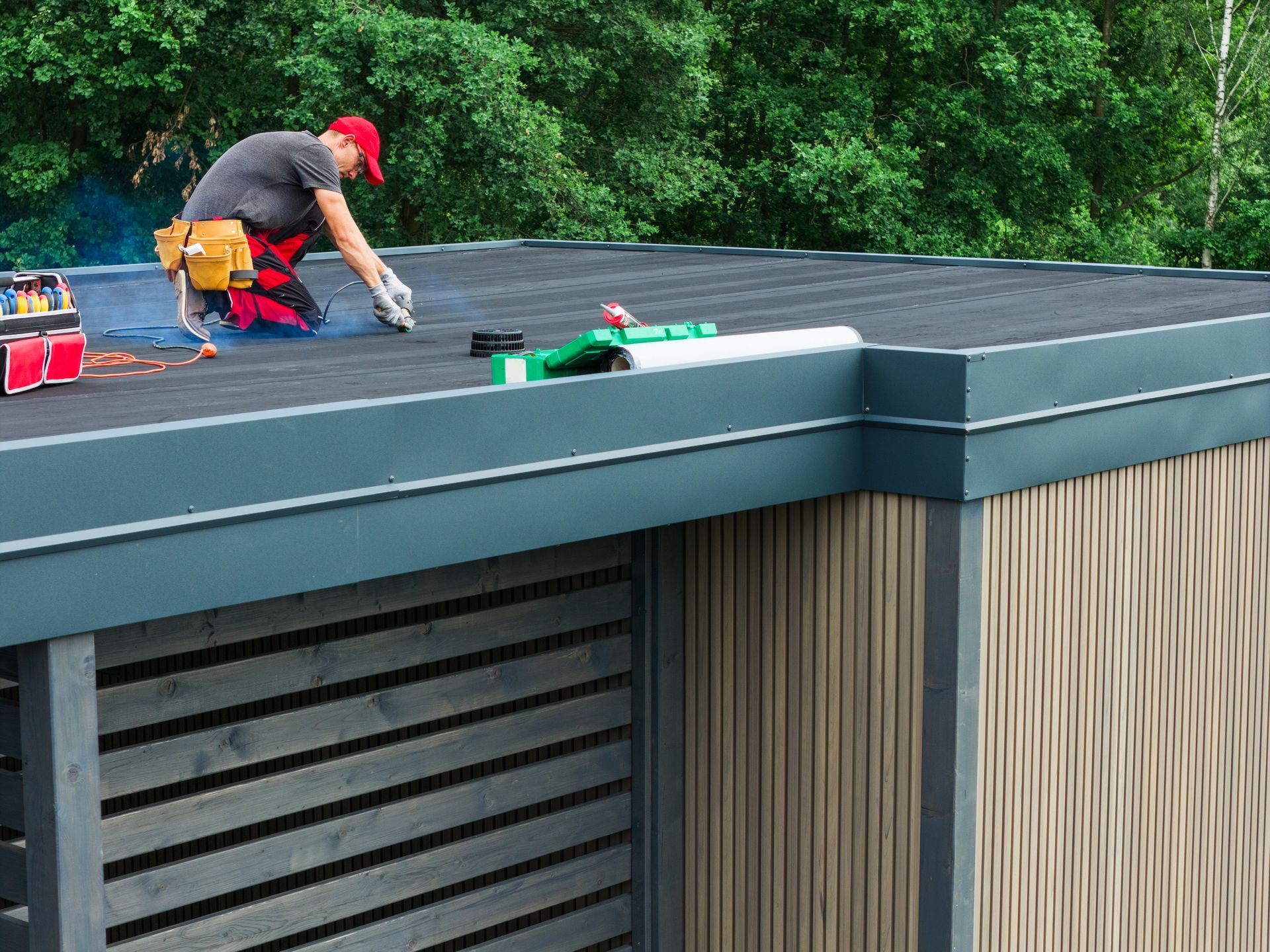
Putting off repairs only leads to bigger headaches and higher costs. Small leaks can create rotten wood, ruined insulation, damaged equipment, mold, or even collapse if ignored. Quick action keeps your staff safe and helps maintain the value of your building. Many insurance companies will not pay for damage that resulted from delayed repairs, so responding early can also help you avoid claim issues.
The Value of Regular Inspections
Plan for at least one detailed inspection each year. Twice a year is even better for commercial roofs using shingles, EPDM, or TPO. Early checks help catch small problems before they become emergencies. Consult a local professional who knows the Columbus climate and is trained to spot even subtle signs of trouble on your type of roof.
When to Repair or Replace
Not every commercial roofing problem means you have to replace the entire roof. A few cracked shingles, a single split seam, or a loose flashing can often be fixed quickly. But if the damage covers a big area, leaks keep returning, or your roof is over twenty years old, it may be smarter and more budget-friendly over time to replace it. Consulting with a trusted local expert ensures you get the facts and only pay for the work you actually need.
When Should You Call a Commercial Roofing Professional?
If you notice:
• Active leaks or growing water stains.
• Increased energy costs with no clear cause.
• Mold, musty smells, or frequent pooling water.
• Granules building up in the gutters.
• Sagging roof spots or visible surface wear.
Catching problems now saves you trouble and helps your business stay open and safe.
Protect Your Columbus Property With Help From Allied Roofing
Don’t wait for small roof issues to become expensive disasters. For expert service and honest advice about shingles, EPDM (rubber), or TPO commercial roofing in Columbus, OH, contact Allied Roofing today. Our experienced local team is here to help you inspect, repair, or replace your roof so your business stays protected all year long.
Schedule your inspection now and rest easy, knowing your building is in good hands!